






Product details
Phenylbutazone is a non-steroidal anti-inflammatory drug (NSAID) used for the relief of inflammatory conditions associated with the musculoskeletal system in horses.
This product is an oral bolus/tablet formulation.
- Used to treat musculoskeletal pain and inflammation in horses.
- This medication should be given with food.
- Concurrent use with other NSAIDs or corticosteroids should be avoided.
- May be prescribed for other animal species; please consult your veterinarian.
- While this drug does not have an FDA-approved indication for all animal uses, it is commonly accepted for veterinarians to prescribe this medication for use in animals.
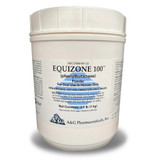
*Please note: This is a generic medication. Product packaging and appearance, including size, color, and shape, may differ from the description or images provided and are subject to manufacturer availability.
Product sourced directly from the manufacturer or their approved distributor. Guaranteed genuine product backed by the manufacturer.
For
Horses
Active ingredient(s)
Phenylbutazone
Common brand names
Pributazone, VetriBute, Bute Tabs
Drug class
Nonsteroidal anti-inflammatory drug
Product strength & size
This product contains 1 gram of phenylbutazone in each bolus/tablet (100 boluses per bottle). Please ensure the selected product is appropriate for your animal, as recommended by your veterinarian.
For current availability, please refer to the product selection above.
Usage
Phenylbutazone Boluses should be given orally as directed by your veterinarian. Please consult your veterinarian before making any changes or discontinuing the prescribed dosing schedule.
This medication should be given with food.
Manufacturer Dosage and Administration*:
For oral use in horses only.
HORSES: Orally - 1 to 2 boluses per 500 lb. body weight. Do not exceed 4 grams daily. Reduce dosage as symptoms regress. Intermittent treatment given only when symptoms appear may be indicated.
*Pributazone Boluses [prescribing information], NDC 58829-0334-10. Elgin, IL: First Priority, Inc.; 2022. Accessed March 16, 2026.
Missed doses
Administer the dose as soon as possible. If it is almost time for the next dose, skip the missed dose and continue with the regular schedule. Do not give more medication than prescribed or two doses at once.
If you have questions about your pet’s prescribed dosing schedule (e.g., timing, interval), please consult your veterinarian.
Storage
Store in a cool, dry place at a controlled room temperature between 59°-86°F, or as otherwise directed on the manufacturer’s product label. Keep in a secure location out of the reach of children and pets. Keep container tightly closed when not in use.
Exposure to extreme temperatures, light, or moisture can affect the integrity and effectiveness of medications. Always store medications properly (e.g., away from the bathroom, kitchen sink, or other damp places).
Side effects
While phenylbutazone is generally well tolerated in horses, potential side effects may still occur. Reported side effects include (but may not be limited to): GI or mouth ulcers/erosion, diarrhea, decreased appetite, and edema (swelling/fluid retention).
Please discontinue use and consult your veterinarian if your pet experiences any concerning side effects, including those listed above, or if you notice anything unusual.
Precautions
Approved for oral use in horses only. Not for use in humans. Keep in a secure location out of the reach of children and animals to prevent accidental ingestion or overdose.
Federal law prohibits the extra-label use of this product in female dairy cattle 20 months of age or older.
Do not use in horses intended for human consumption.
Concomitant use with other anti-inflammatory drugs, such as NSAIDs or corticosteroids, should be avoided or closely monitored. In the treatment of inflammatory conditions associated with infections, specific anti-infective therapy should be used concurrently.
Use with caution in foals and ponies, as they may be more likely to develop adverse effects, including mouth/GI ulcers. Caution should also be exercised in animals with preexisting kidney issues or congestive heart failure.
Safe use of this medication has not been established and may not be recommended in breeding, pregnant, or nursing animals. Discuss the risks of using this medication with your veterinarian if your pet is in one of these groups.
Do not administer this medication to animals with a known or suspected allergy/hypersensitivity to it or any of its ingredients. Allergic reactions to medications may occur. Please inform Vetsource and your veterinarian if your pet has any known sensitivities or allergies, especially to medications and supplements.
If your pet displays symptoms of an allergic reaction, discontinue therapy and call your veterinarian immediately or seek emergency veterinary attention. Symptoms may include (but are not limited to): swollen lips, tongue, face, or airways; difficulty breathing; agitation; profuse salivation; and widespread hives or itching.
Drug and food interactions
The following drugs* may have potential interactions with this medication:
angiotensin-converting-enzyme (ACE) inhibitors (e.g., benazepril), anticoagulants (e.g., heparins, rivaroxaban, warfarin), antidiabetic agents (including insulins), beta blockers (e.g., sotalol), corticosteroids (e.g., dexamethasone, prednisone), digoxin, diuretics (e.g., furosemide, spironolactone, torsemide), methotrexate, misoprostol, concurrent NSAIDs, pentoxifylline, phenobarbital, salicylates (e.g., aspirin), and SSRIs (e.g., fluoxetine).
*NOTE: This may not be a comprehensive list of all possible drug interactions. As with all medications, please consult your veterinarian if you have any questions or concerns prior to use. Contact your veterinarian if your pet experiences any unusual reactions when multiple medications and/or supplements are given together.
Please ensure your veterinarian is aware of all medications, supplements, and over-the-counter (OTC) products that your pet is currently using. Your veterinarian may prescribe multiple medications, even if a potential drug interaction may occur. In these instances, your veterinarian may adjust the dosages or monitor your pet more closely.
Adverse reactions
If you are concerned that your pet has experienced an adverse reaction to this medication, please contact Vetsource Pet Owner Care at 877-738-4443.
Overdose
If you have any reason to suspect an overdose, call your doctor/veterinarian or the appropriate poison control resource immediately.
For humans:
The national toll-free Poison Help line, 1-800-222-1222, will connect you to your local poison center in case of emergency. This service is available nationwide and in most U.S. territories.
For animals:
The ASPCA Animal Poison Control Center is available 24 hours a day, 365 days a year at 888-426-4435.
Pet Poison Helpline® also provides a 24/7 animal poison control service at 855-764-7661.
*Please note: this information is for third-party services and is provided for convenience in case of potential poison-related emergencies. There may be consultation fee for these services.
Disclaimer
The content provided on this page is NOT medical advice.
All content, including the images and product description above, is intended for general informational purposes only and should not be considered a substitute for professional veterinary consultation, diagnosis, or treatment.
For additional information about this product and how it fits into your pet's individual treatment plan, please consult your veterinarian.
Last revised: 3/16/2026
-
Description
Product detailsPhenylbutazone is a non-steroidal anti-inflammatory drug (NSAID) used for the relief of inflammatory conditions associated with the musculoskeletal system in horses.This product is an oral bolus/tablet formulation.- Used to treat musculoskeletal pain and inflammation in horses.
- This medication should be given with food.
- Concurrent use with other NSAIDs or corticosteroids should be avoided.
- May be prescribed for other animal species; please consult your veterinarian.
- While this drug does not have an FDA-approved indication for all animal uses, it is commonly accepted for veterinarians to prescribe this medication for use in animals.
*Please note: This is a generic medication. Product packaging and appearance, including size, color, and shape, may differ from the description or images provided and are subject to manufacturer availability.Product sourced directly from the manufacturer or their approved distributor. Guaranteed genuine product backed by the manufacturer.ForHorsesActive ingredient(s)PhenylbutazoneCommon brand namesPributazone, VetriBute, Bute TabsDrug classNonsteroidal anti-inflammatory drugProduct strength & sizeThis product contains 1 gram of phenylbutazone in each bolus/tablet (100 boluses per bottle). Please ensure the selected product is appropriate for your animal, as recommended by your veterinarian.For current availability, please refer to the product selection above.UsagePhenylbutazone Boluses should be given orally as directed by your veterinarian. Please consult your veterinarian before making any changes or discontinuing the prescribed dosing schedule.This medication should be given with food.Manufacturer Dosage and Administration*:For oral use in horses only.HORSES: Orally - 1 to 2 boluses per 500 lb. body weight. Do not exceed 4 grams daily. Reduce dosage as symptoms regress. Intermittent treatment given only when symptoms appear may be indicated.*Pributazone Boluses [prescribing information], NDC 58829-0334-10. Elgin, IL: First Priority, Inc.; 2022. Accessed March 16, 2026.Missed dosesAdminister the dose as soon as possible. If it is almost time for the next dose, skip the missed dose and continue with the regular schedule. Do not give more medication than prescribed or two doses at once.If you have questions about your pet’s prescribed dosing schedule (e.g., timing, interval), please consult your veterinarian.StorageStore in a cool, dry place at a controlled room temperature between 59°-86°F, or as otherwise directed on the manufacturer’s product label. Keep in a secure location out of the reach of children and pets. Keep container tightly closed when not in use.Exposure to extreme temperatures, light, or moisture can affect the integrity and effectiveness of medications. Always store medications properly (e.g., away from the bathroom, kitchen sink, or other damp places).Side effectsWhile phenylbutazone is generally well tolerated in horses, potential side effects may still occur. Reported side effects include (but may not be limited to): GI or mouth ulcers/erosion, diarrhea, decreased appetite, and edema (swelling/fluid retention).Please discontinue use and consult your veterinarian if your pet experiences any concerning side effects, including those listed above, or if you notice anything unusual.PrecautionsApproved for oral use in horses only. Not for use in humans. Keep in a secure location out of the reach of children and animals to prevent accidental ingestion or overdose.Federal law prohibits the extra-label use of this product in female dairy cattle 20 months of age or older.Do not use in horses intended for human consumption.Concomitant use with other anti-inflammatory drugs, such as NSAIDs or corticosteroids, should be avoided or closely monitored. In the treatment of inflammatory conditions associated with infections, specific anti-infective therapy should be used concurrently.Use with caution in foals and ponies, as they may be more likely to develop adverse effects, including mouth/GI ulcers. Caution should also be exercised in animals with preexisting kidney issues or congestive heart failure.Safe use of this medication has not been established and may not be recommended in breeding, pregnant, or nursing animals. Discuss the risks of using this medication with your veterinarian if your pet is in one of these groups.Do not administer this medication to animals with a known or suspected allergy/hypersensitivity to it or any of its ingredients. Allergic reactions to medications may occur. Please inform Vetsource and your veterinarian if your pet has any known sensitivities or allergies, especially to medications and supplements.If your pet displays symptoms of an allergic reaction, discontinue therapy and call your veterinarian immediately or seek emergency veterinary attention. Symptoms may include (but are not limited to): swollen lips, tongue, face, or airways; difficulty breathing; agitation; profuse salivation; and widespread hives or itching.Drug and food interactionsThe following drugs* may have potential interactions with this medication: angiotensin-converting-enzyme (ACE) inhibitors (e.g., benazepril), anticoagulants (e.g., heparins, rivaroxaban, warfarin), antidiabetic agents (including insulins), beta blockers (e.g., sotalol), corticosteroids (e.g., dexamethasone, prednisone), digoxin, diuretics (e.g., furosemide, spironolactone, torsemide), methotrexate, misoprostol, concurrent NSAIDs, pentoxifylline, phenobarbital, salicylates (e.g., aspirin), and SSRIs (e.g., fluoxetine).*NOTE: This may not be a comprehensive list of all possible drug interactions. As with all medications, please consult your veterinarian if you have any questions or concerns prior to use. Contact your veterinarian if your pet experiences any unusual reactions when multiple medications and/or supplements are given together.Please ensure your veterinarian is aware of all medications, supplements, and over-the-counter (OTC) products that your pet is currently using. Your veterinarian may prescribe multiple medications, even if a potential drug interaction may occur. In these instances, your veterinarian may adjust the dosages or monitor your pet more closely.Adverse reactionsIf you are concerned that your pet has experienced an adverse reaction to this medication, please contact Vetsource Pet Owner Care at 877-738-4443.OverdoseIf you have any reason to suspect an overdose, call your doctor/veterinarian or the appropriate poison control resource immediately.For humans:The national toll-free Poison Help line, 1-800-222-1222, will connect you to your local poison center in case of emergency. This service is available nationwide and in most U.S. territories.For animals:The ASPCA Animal Poison Control Center is available 24 hours a day, 365 days a year at 888-426-4435.Pet Poison Helpline® also provides a 24/7 animal poison control service at 855-764-7661.*Please note: this information is for third-party services and is provided for convenience in case of potential poison-related emergencies. There may be consultation fee for these services.DisclaimerThe content provided on this page is NOT medical advice.All content, including the images and product description above, is intended for general informational purposes only and should not be considered a substitute for professional veterinary consultation, diagnosis, or treatment.For additional information about this product and how it fits into your pet's individual treatment plan, please consult your veterinarian.Last revised: 3/16/2026 -
0 Reviews